Is It Normal to Feel Like You Are Nrvrr Going to Be Happt Again After Losing Your Pet
Two weeks ago my husband was playing with our dog, Amos, when he felt a lump – a huge lump – on his side.
When I say huge, I mean a humongous golf-ball sized lump that came out of nowhere. Seriously, nowhere; a few days before there was nothing and then suddenly there's this enormous lump. Now, I'll admit Amos is a lumpy dog. He's had his fair share of lumps in the past and every time I've spiraled into a panic convinced it is cancer. But until now every lump has been benign; the result of allergic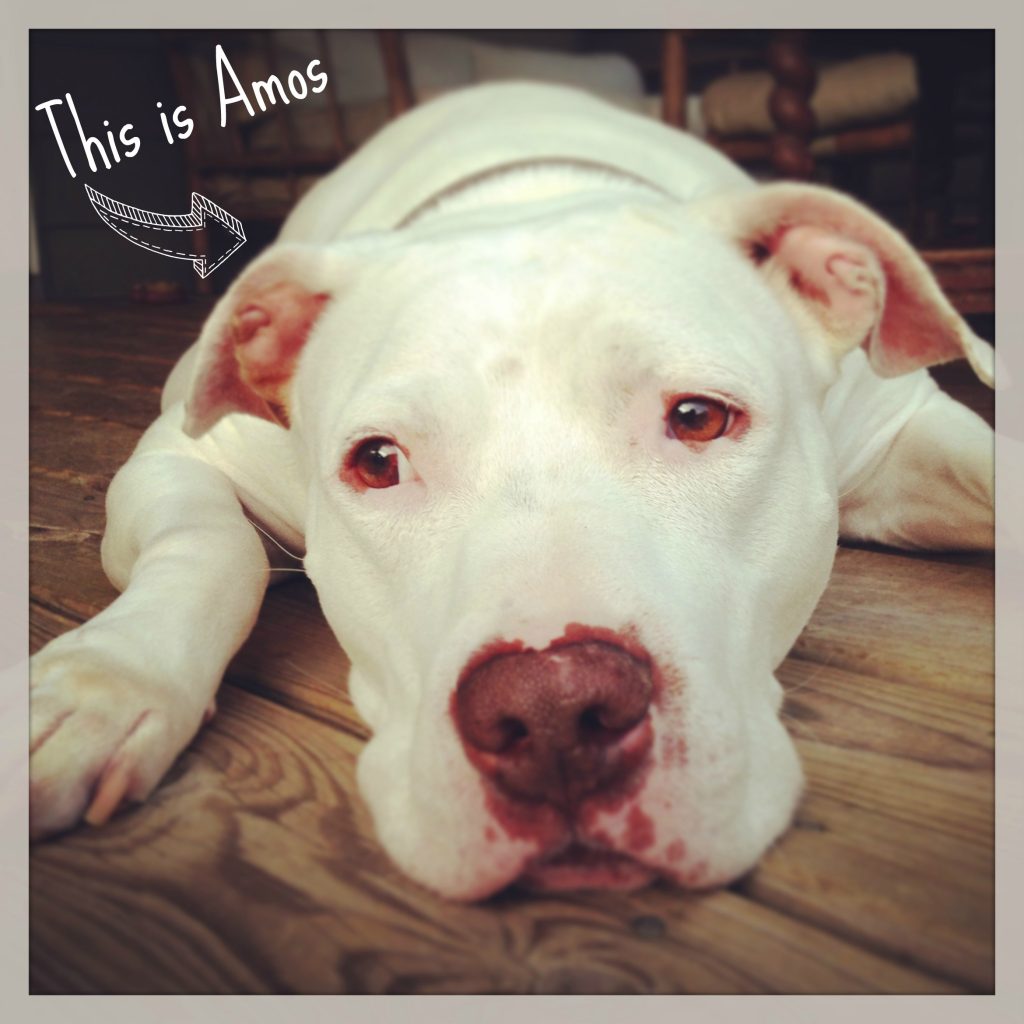 reactions and fatty tumors, but never the dreaded C word.
When this lump arrived, bigger and faster than ever, I did what any normal, red-blooded American does: I took to Google. But, in an odd twist of events, everything I found online was so promising and reassuring – something that appears and grows that large that quickly probably isn't cancer. Phew!
Between the past benign lumps and the 'good news' I received care from Google, I was disturbingly calm. We went to the vet in the morning, they aspirated the lump, and then we waited. It was a calm wait, something that felt totally foreign. It would be fine, I figured. It always is. Besides, Google said so and we all know everything on the Internet is true.
Then the vet called and all of a sudden my calm shattered . . . cancer. The details were fuzzy – they didn't have enough cells to know the type for sure – one possibility was really bad – the other not so bad. The long and short was that they needed to remove the lump and perform a biopsy to know for sure.
The irony was not lost on me. All that anxiety all those other times had been for nothing and then the one time I should have been anxious, the one time it would have been warranted, nothing. I had been totally calm, no constant sense of dread or chronic pit in my stomach. Clearly, this is evidence that my anxiety and worry is the only thing protecting me and my loved ones from imminent death and/or cancer.
A few days later we took Amos to have the lump removed and we brought him home with a 7 inch stitched incision. Then we waiting again for results. Finally, we received a voicemail: Hemangiopericytoma. It was the best of all possible bad news. The best-case-cancer-scenario; if you can ever put 'cancer' and 'good news' in the same sentence. The whole tumor was removed with clean margins and this type of cancer has a low rate of recurrence. No need for puppy chemo or radiation or tough treatment decisions.
When we were finally able to heave a sigh of relief, my husband, who had outwardly been holding it together far better than I had been, said to me, "I really thought the dog was going to die". He confessed that he had left work early several days during the week because he couldn't concentrate and wanted to spend as much time as he could with the dog.
My mind flashed back to a woman who approached us after we spoke at a grief summit several months ago; a grief professional who had lost her husband several years before. She stopped us to say that her dog had recently died and that she was struggling immensely, that the grief seemed even worse than when she had lost her husband. Her dog had been her comfort and her companion after her husband's death and now she was left to grieve all alone.
Now, some of you out there are reading this and saying to yourself…these must becrazy dog people. You know, the pet owners who let their dog sit at the dinner table and keep photos of them in their wallets. But I assure you, we are normal pet owners – our dog doesn't even sleep in our bed, much less sit at the dinner table. You have to understand, for many people pets are like family and it hurts to see them suffering and we grieve when they die.
For as many people who don't get it, there are just as many who do, but this divide poses a challenge when a pet is ill, lost, or dies. On the one hand, there are those people who understand the depths of the loss, on the other, there are those who think you are crazy.
We've never written about the illness or death of a pet here, in part because there are other people who are already doing it so well. Just the same, we are going to share a few thoughts about the loss of a pet. If you're struggling with this type of loss we suggest you go check out our friend Marty over at the Grief Healing Blog for many great articles on pet loss.
Five Considerations for Those Grieving the Loss of a Pet
1. Some people just won't "get" it.
They are not worth arguing with. These people will not be particularly supportive, and you will not turn them into a pet person or someone who understands pet loss. Some people will get it. Focus on those people! You will have friends who understand the pain that comes with pet loss. Those are the people you want to turn to, not the friend who is saying things like, "well you still have another cat, right?"Remember what we say about utilizing your support system effectively and just let it go when someone doesn't understand.
2. Your grief is normal.
You are not crazy! Because pet loss isn't typically acknowledged as significant, it can make us feel abnormal when the pain is so devastating. But the pain is absolutely normal and you have the right to grieve. Consider some of the reasons why pet loss is so difficult:
- Your pet is with you every day, for hours a day. I spend more time with my dog than my mom, my sister, or my best friends.
- People feel protective of their pets. It is the owner's job to take care of an animal. When they die, despite all the rationality in the world, it can be hard not to feel a sense of failure.
- Pets love unconditionally. Who else do you know who accepts you 100% for who you are and loves you no matter what?
- Many times a pet is there to help you through other losses or hardship: they are a comfort when the world is turned upside down and when you feel afraid, sad or alone. When a pet has always been your comfort in times of pain, it's hard to know where to turn when you now must grieve for the pet.
- Pets are companions to our loved ones, especially children. Losing a pet can often mean seeing children in the household suffer and grieve, often for the first time. In addition to your own pain, you also have the pain of seeing your child grieve.
3. Create a grave marker and/or have a memorial.
This does not have to be a big display if you don't want it to be; I am not suggesting you put it in the paper. I am suggesting you decide on something small to do, either by yourself or with family and close friends. If you are burying your animal and plan to have a little stone or marker, you may wish to say a few words. If your pet was cremated you may wish to have a box with the ashes and photo of the pet and say a few words when you display it. You may also wish to spread the ashes at a location your pet loved – a park, trail, place to swim, etc. Rituals are important whether you have lost a pet or a family member.
4. There will be some especially difficult times.
When you first get home from work and your pet is not there to greet you; first thing in the morning when feeding them is no longer part of your routine (especially if you don't have another pet); or the time you normally would have taken them for a walk, pet them, or play with them. Be prepared, the house may feel very empty. For some, creating a ritual or plan can be helpful during these tough moments. When my lab Gloria died, I would come straight home and get in the shower, just to have something else to "do" during the time I would have been playing with her when I first got home from work.
5. Dealing with the "stuff".
When a person dies we know we will ultimately have to address their many belongings – cars, clothes, homes, etc. Many underestimate that, though our dog or cat may have had very few belongings, their presence can be very powerful and painful. The sight of their leash, collar, or empty bowls can be excruciating. Check out our other posts about belongings for some ideas for dealing with this.
Alright, after you subscribe to receive posts straight to your email inbox go ahead and hug your dog, cat, bird, snake, gerbil, or goldfish.
Source: https://whatsyourgrief.com/mans-best-friend-6-considerations-for-grieving-the-loss-of-a-pet/
0 Response to "Is It Normal to Feel Like You Are Nrvrr Going to Be Happt Again After Losing Your Pet"
Post a Comment